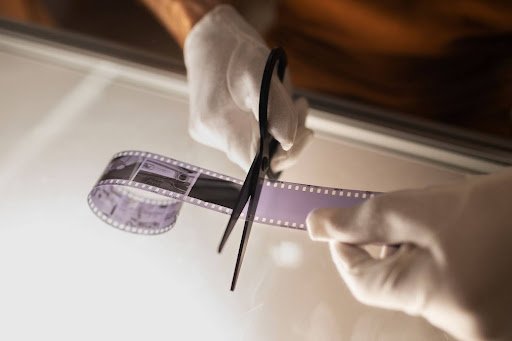
Film negatives age because their components break down. Most consumer negatives produced in the 20th century were made from cellulose acetate, a material prone to chemical decay. (1)
Color dyes fade, acetate bases shrink, and environmental conditions accelerate this process.
So when people wonder how long do film negatives last, the answer depends largely on their storage environment. Under ideal conditions, film may last decades. Under poor conditions, deterioration can start within years.
Film Types and Their Aging Behavior
| Film Type |
Durability |
Common Issues |
| 35mm |
Moderate |
Curling and color fade |
| 110 |
Fragile |
Color shift |
| 126 |
Moderate |
Perforation wear |
| Medium Format |
High |
Warping |
| Large Format |
High |
Emulsion cracking |
Understanding your film format helps determine what to do with old negatives and how carefully they should be handled.
Advice #1: Handle Old Negatives With Clean Hands and the Right Tools
Proper handling is your first line of defense. Oils, fingerprints, and dust can permanently damage delicate emulsions.
Follow these handling rules:
- Wear lint-free cotton or nitrile gloves.
- Hold negatives only by the edges.
- Use compressed air to remove loose dust.
- Lay film on a clean and non-abrasive surface.
If you’re unsure how to store used film after handling, place it back into non-PVC sleeves immediately.
Pro Tip:
Avoid touching the image surface. Even a faint fingerprint can etch into the emulsion over time, making it difficult for scanners to capture detail accurately.
Advice #2: Set Up a Controlled Workspace
Fragile negatives benefit from a clean and controlled environment when being evaluated.
Create a safe inspection area with:
- Soft and indirect lighting,
- Anti-static work mat,
- Dry and dust-free surroundings,
- Tools like microfiber cloths and blower bulbs
Once you’ve examined the film, think about the best way to store film negatives so you don’t introduce new contaminants when returning them to long-term storage.
Advice #3: Store Negatives at the Right Temperature & Humidity
Environmental control is critical. The Image Permanence Institute (IPI) notes that lowering storage temperature by even a few degrees can significantly slow chemical decay. (2)
Here are the ideal storage conditions:
- Temperature: 35 to 65°F
- Humidity: 30 to 40%
- Avoid: Basements, attics, garages
If you are wondering how long do film negatives last under these conditions, archival studies show that properly stored acetate film can remain stable for several decades, often in the range of 70 to 100 years. (3)
Myth Busted:
“Basements are fine as long as it’s cool.”
False. Basements often exceed 60% humidity, which is ideal for mold growth.
Advice #4: Use Proper Archival Materials
The best way to store film negatives is always with stable and certified archival supplies.
| Storage Item |
Recommended Material |
Why It Matters |
| Sleeves |
Polyester or polypropylene (PAT-passed) |
Chemically inert & safe |
| Boxes |
Acid-free, buffered paper |
Prevents acid migration |
| Labels |
Graphite pencil |
Markers can bleed into film |
Reference: Library of Congress (4)
Improper materials release acids that cause yellowing, fading, and curling, making it harder to decide what to do with old negatives that are already compromised.
Advice #5: Avoid the Most Common Negative-Killers
Some storage habits destroy film far faster than age alone.
Avoid these at all costs:
- Rubber bands as they melt into the film.
- Newspaper or envelopes because they are acid-heavy paper.
- Tape or adhesives.
- Stacking film tightly.
- High heat, direct sunlight, or radiators.
For people learning how to store used film, the rule is to assume everything is unsafe except archival materials.
Advice #6: Learn When NOT to Clean Negatives Yourself
Some films are simply too fragile to handle at home.
Here are some signs you need professional assistance:
- Strong vinegar-smell (vinegar syndrome) coming from the films,
- Crystalline spots or bubbles,
- Emulsion separating from the base,
- Film feels brittle, warped, or buckled,
- Extensive mold spots.
In such cases, stop touching them and move toward digitization with the help of professionals like Smooth Photo Scanning.
Advice #7: Digitize Negatives Before Further Damage Occurs
Even when stored perfectly, film dyes fade. Digitizing negatives captures the remaining details before they disappear forever.
Use the anchor text convert negatives to digital here once, naturally:
The safest long-term preservation method is to make copies so that your images remain accessible even if the physical film continues to deteriorate.
Leading imaging companies like Kodak recognize that dye permanence is critical to digital image longevity. Research shows that environmental controls, particularly temperature and humidity, directly impact how long dye layers remain stable before visible degradation becomes apparent. (5)
Advice #8: Choose the Right DPI for Scanning
When scanning fragile negatives, DPI (dots per inch) determines how much detail is preserved.
Understanding film negative scanning DPI helps families choose the right resolution for future printing, archiving, or display.
At Smooth Photo Scanning, the standard options include:
- 2000 DPI — Good for viewing on screens & small prints (5×7).
- 3000 DPI — Sharper detail, and you can print up to 11×14.
- 4000 DPI — Maximum detail with a print of 16×20 or use professionally.
Digital ICE technology, used in SPS scanners, minimizes dust and surface scratches without altering the original image.
For extremely delicate film, choosing the correct DPI matters just as much as proper handling.
Advice #9: Use Professional Scanning Services for Fragile or Valuable Film
Digitizing delicate negatives requires expertise, especially when film is curled, damaged, or brittle.
If you are unsure how to digitize film negatives safely at home, professional services like Smooth Photo Scanning have the equipment and controlled workflows designed specifically for fragile materials.
Smooth Photo Scanning’s workflow includes:
- Cleaning each exposure with compressed air and a lint-free cloth.
- Using high-end scanners with Digital ICE.
- Careful cropping, rotating, and orientation adjustments.
- Manual quality control by trained technicians.
This process protects fragile media while producing crisp, high-quality digital files.
Advice #10: Create a Long-Term Preservation Plan
Even after digitizing, proper storage remains essential.
A long-term plan should include:
- Archival sleeves stored in acid-free boxes,
- Cool, dry environment at 35 to 65°F,
- Annual inspections for early signs of deterioration,
- Digitized backups stored in at least two locations,
- Both cloud and physical backup drives.
Future Trend:AI-assisted cataloging and tagging will make it easier to search and organize digitized negative collections, but AI should not be confused with image restoration.
Good storage practices ensure film lasts as long as possible, but digitization ensures your memories outlive the limitations of physical materials.
Additional Considerations for Families
Climate varies widely across the United States. Southwest regions face heat stress; Southeast regions struggle with humidity; Northern states often store film in cold but damp basements.
Families unsure what to do with old negatives in unstable climates should always prioritize controlled indoor storage and early digitization. For customers in the NYC Tri-State Area, Smooth Photo Scanning even offers free pickup for qualifying orders, which reduces the risk of damage during transport.
Closing Thoughts
Fragile negatives require careful handling, controlled storage, and thoughtful preservation.
Practices like proper storage, gentle handling, and timely digitization will ensure your memories remain viewable for generations even as film naturally decays.
When in doubt, trusted archival professionals can help safeguard the moments that matter most.