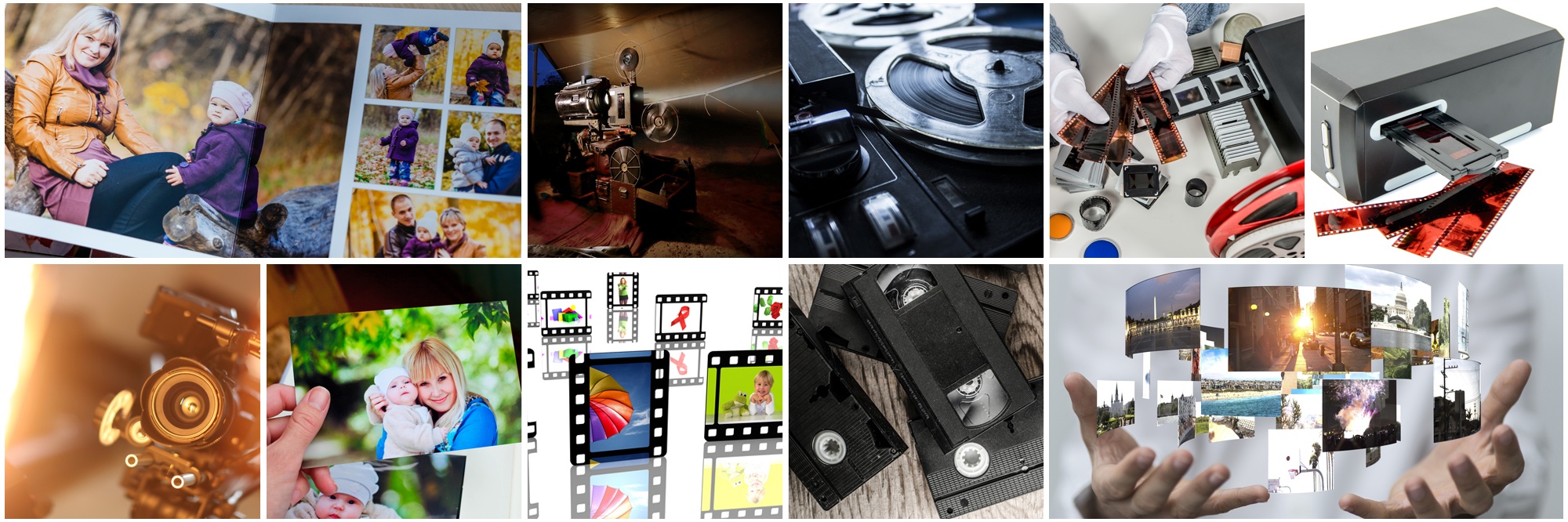
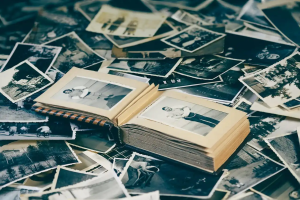
Decades of community history can sit quietly in filing cabinets, closets, storage rooms, and old boxes.
A congregation may have photographs from its first building, printed bulletins from major milestones, directories filled with names, and videos of dedication ceremonies.
Community organizations often have similar collections that document local events, volunteers, fundraisers, and leaders.
You can digitize church photos without organizing every item perfectly before starting. A practical project can turn a scattered archive into a searchable, shareable collection while reducing the risk of loss or damage. If you need to digitize church photos and paper records, consider working with a provider that offers bulk photo and document scanning services.
1. Start by identifying what you actually have
Before you scan anything, create a basic inventory to help you scan community organization archives in a controlled way.
You are not trying to build a perfect catalog on day one. You simply need enough information to make smart decisions about what gets scanned first. For a large collection, create a spreadsheet with columns for:
- Material type
- Approximate date range
- Quantity
- Physical condition
- Historical importance
- Access restrictions
- Preferred digital format
This is especially useful when you need to scan community organization archives that have accumulated over many decades.
Group similar materials together, but do not throw away unidentified items just because their context is unclear. This helps when you scan community organization archives in stages.
2. Know which materials belong in the project
A community archive is usually more than a box of photographs. Your collection may include:
- Event and group photographs
- Weekly or monthly bulletins
- Membership directories
- Anniversary programs
- Dedication videos
- Meeting records
- Newsletters and flyers
- Scrapbooks and albums
Some materials need different scanning methods. Loose photographs can be scanned at different resolutions depending on how you plan to use them. Albums and scrapbooks may need page-by-page handling. Smooth Photo Scanning offers scanning for loose photos, albums, scrapbooks, slides, negatives, videotapes, film, and audio.
For churches and synagogues, church history digitization can include oversized documents, historical books, microfilm, and other records that need a different workflow. The same planning approach makes church history digitization practical across mixed collections.
3. Prioritize fragile and historically important items
Do not automatically start with the easiest box. Start with materials that could become impossible to recover. Prioritize:
- Faded or brittle photographs
- Water-damaged or cracked documents
- Early photographs of buildings and congregants
- Records connected to major community events
- Unique materials with no known duplicate
Church history digitization works best when preservation comes before convenience. A 1950s group photograph that exists nowhere else deserves attention before a stack of recent event snapshots.
If a photograph needs repair, scanning it first creates a digital working copy. Professional restoration can then address fading, stains, tears, cracks, or other damage without repeatedly handling the original.
Smooth Photo Scanning says its restoration process can repair several forms of damage and accepts both color and black-and-white photos.
4. Use a bulk scanning strategy for large collections
Thousands of photos and documents can quickly overwhelm volunteers. The answer is to create batches rather than treating the archive as one giant project. A useful workflow looks like this:
- Sort by material type.
- Assign each batch a simple identifier.
- Record dates or approximate dates where known.
- Separate fragile materials from routine items.
- Scan and quality-check each batch.
- Return originals to their storage location.
For paper records, professional prep can make a major difference. Smooth Photo Scanning describes a process in which staff remove clips and staples, flatten pages, repair damaged pages, and use bar-coded separator sheets for bulk document jobs. Those separators help keep folders and document sets organized during high-speed scanning.
If you are comparing providers, look beyond the scanner itself. Ask how they handle sorting, quality control, file naming, indexing, original materials, and large-volume orders. This is where the efficiency of document scanning services becomes especially valuable.
5. Make old bulletins and directories searchable with OCR
A scanned document is useful, but searchable text is better. Optical Character Recognition, or OCR, converts printed text in a scanned image into searchable digital text.
That matters when someone wants to find a former pastor, rabbi, president, committee member, event, or address without opening hundreds of files.
OCR will not be perfect, especially with faded type, unusual fonts, handwriting, or damaged pages, so important names and dates should still be checked against the original.
Smooth Photo Scanning offers searchable PDFs for digitized books and documents, along with indexing options for easier retrieval.
6. Build a naming and folder system before you scan
A digital archive can become just as confusing as a physical one if every file has a random name. Keep your structure simple. For example:
- 01_Events
- 02_Bulletins
- 03_Directories
- 04_Programs
- 05_Videos
- 06_Historical_Photos
Then use consistent file names such as “1968_50th_Anniversary_Dinner_001.”
Add metadata when possible, including the date, event, location, people identified, and source box. This turns religious community photo scanning into a preservation project rather than a simple file conversion.
7. Decide how people will access the archive
Religious community photo scanning only creates value when people can actually use the files. Decide who should have access before publishing anything online. You might create:
- A private archive for administrators
- A member-only collection
- A public historical gallery
- A shared drive for approved volunteers
- A digital exhibit for anniversaries or special events
Be careful with sensitive information. Membership directories may contain addresses or phone numbers. Meeting records may include private information. Not every scanned document should become publicly searchable.
You can use religious community photo scanning results in newsletters, anniversary exhibits, memorial presentations, and community websites.
A professional photo scanning service can help create high-quality files suitable for sharing and printing. Smooth Photo Scanning offers photo scanning at 300, 600, and 1200 DPI, with the right resolution depending on intended use.
8. Plan for storage and backup
Do not treat the scanning company or one computer as your only backup. Keep at least:
- One working copy for regular access
- One backup in a separate location
- One additional backup using a different storage method
For particularly important collections, keep original files at their highest practical quality and create smaller copies for everyday sharing.
This makes church history digitization useful for both preservation and future storytelling. It also gives religious community photo scanning a clear preservation purpose.
9. Budget for the full project, not just scanning
When planning a large archive, consider scanning, OCR, restoration, storage, shipping, indexing, and special handling. Ask providers how volume affects pricing. Smooth Photo Scanning offers quantity-based discounts for photo scanning, including larger discounts at higher quantities.
You can also review scanning pricing and bulk discounts before deciding how to divide your project.
Preserve the stories your community has built through church history digitization
A church, synagogue, or community organization archive is more than a collection of old files, and religious community photo scanning helps make that history accessible.
Smooth Photo Scanning has more than 25 years of experience with high-volume scanning and conversion work and handles projects for individuals, commercial clients, and government organizations. Its secure facility in Lodi, New Jersey, uses specialized equipment and established processes for photo and document digitization.
If you need to digitize church photos, start with one inventory and one manageable batch. Then digitize photos from the next priority group. With the right plan, the digitization process can turn a fragile collection into a lasting digital resource for the next generation.