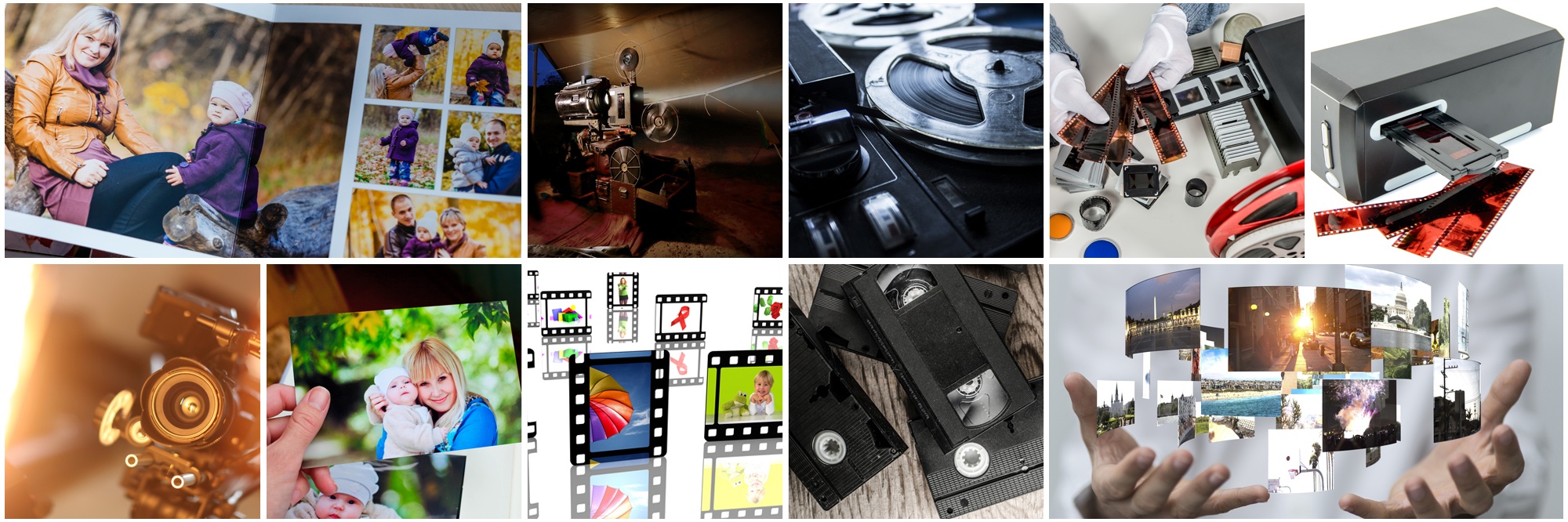
For decades, slides were one of the most popular ways to store and share photographs. Families used them to project vacation photos onto living room walls, while professionals relied on them for presentations and archival purposes. Over time, however, slide projectors became obsolete, and slides were left tucked away in boxes, vulnerable to dust, scratches, and fading. That’s where a slide scanning service comes in. By digitizing your slides, you can preserve them in modern formats that are easy to store, share, and view on today’s devices.
This blog explores what slide scanning is, how it works, and the different types of slides that can be converted with professional services.
What Is a Slide Scanning Service?
A slide scanning service converts traditional slides into digital files. Instead of relying on projectors, your photos will be saved as high-quality images on a computer, external drive, or cloud storage. The primary goal is preservation—slides degrade over time, and digitizing them prevents permanent loss of detail.
Professional slides to digital service providers use specialized equipment to capture every detail, color, and texture from your originals. Once scanned, the images can be edited for brightness, contrast, and dust removal, giving you results that often look better than the physical slide.
How Slide Scanning Works
The process of converting slides to digital format involves several careful steps to maintain the integrity of the originals:
- Preparation and Cleaning: Slides are inspected for dust, fingerprints, or surface marks. Gentle cleaning methods help prevent imperfections from appearing in the final image.
- Scanning: A professional medium format slide scanner or 35mm scanner captures the image at high resolution. The higher the resolution, the more detail is preserved, which is especially important for enlargements or editing.
- Digital Processing: After the scan, adjustments can be made to improve color accuracy, restore faded tones, and balance exposure. In many cases, scratches and blemishes are also reduced.
- File Output: The final step is saving the images in popular formats, such as JPEG or TIFF. Depending on the service, you can also request delivery on USB drives, DVDs, or secure cloud storage.
This negative scanning process allows your photos to live on in digital form without the risk of further deterioration.
Types of Slides That Can Be Scanned
Different slides require different handling and equipment. Here are the most common types that a professional service can digitize:
1. Digitizing 35mm Slides
The most widespread format, 35mm slides, was popular from the 1950s through the 1980s. They typically measure 2×2 inches in cardboard or plastic mounts. Professionally digitizing 35mm slides helps capture vivid detail, making these perfect for family archives.
2. Stereo Slide Conversion to Digital
Stereo slides contain two nearly identical images side by side, designed for viewing in 3D through special projectors. With stereo slide conversion to digital format, typically only one of the two frames is scanned during the process (the one that is in the best condition). Both frames of each stereo slide can be captured if requested.
3. Medium Format Slides
Medium format slides are larger than 35mm and were often used by professionals for higher-quality images. Because of their size, a specialized medium format slide scanner is needed. Once digitized, these images can be enlarged without losing detail, making them ideal for printing or archiving.
Why Convert Slides to Digital?
Converting slides to digital service comes with several advantages:
- Preservation: Film slides deteriorate due to humidity, temperature, and age. Digitization freezes them in their current condition.
- Accessibility: Instead of bulky projectors, your images can be shared via email, social media, or cloud storage.
- Restoration: Old slides often lose sharpness or color, but professional services restore vibrancy and reduce damage.
- Organization: Digital files can be sorted, labeled, and stored, making your photo collection easier to manage.
For those with extensive collections, you can transfer 35mm slides to digital format to prevent clutter while keeping cherished memories at your fingertips.
Choosing the Right Slide Scanning Service
Not all services are the same. Here’s what to consider:
- Resolution Options: High DPI (dots per inch) scans yield sharper digital images. A minimum of 2000 DPI is recommended.
- Restoration Capabilities: Premium services include color correction, dust removal, and scratch repair.
- Output Choices: Decide how you want to receive your digital files after the slide scanning process is complete. Options include cloud download, USB flash drive, or DVD.
- Experience with Various Formats: If you have 3D stereo or medium format slides, check that the provider offers specialized conversion.
By carefully selecting a provider, you’ll get reliable results that protect your memories for the long term.
The Wrap
Slides represent decades of personal and professional history, but are fragile and easily lost to time. A slide scanning service preserves these valuable images by converting them into digital files that are easy to view, organize, and share. From digitizing 35mm slides to stereo slide conversion to digital and medium formats, professional equipment ensures every photo is accurately captured.
Smooth Photo Scanning offers comprehensive options to convert slides to digital versions if you’re ready to protect your collection. With advanced tools and attention to detail, we make it simple to bring your memories into the digital age. Contact us today to get started.