A soldier's photo, a folded telegram, a set of medals in a cigar box. These items deserve the same careful treatment a museum would give them, not a quick pass through a home scanner.
If you want to digitize military photos and the paperwork that goes with them, the short answer is that it takes a different approach than scanning a regular family photo album, since military collections usually mix fragile paper, metal, fabric, and photographs that are all decades old and aging at different rates.
A good veteran photo scanning service is built around exactly this kind of mixed, fragile material, and taking the time to preserve wartime photos properly now means there is still detail left to save decades from now.
This matters more than people realize, since professional document scanning services handle paper differently than photo scanning does, and a mixed military collection often needs both approaches working together to scan old military records alongside the photographs they relate to. Whether you have your grandfather's service photos from World War II or a parent's deployment photos from more recent decades, treating the whole collection with care from the start is what keeps it intact for the next generation.
What Are The Types of Military Media You Might Be Preserving?
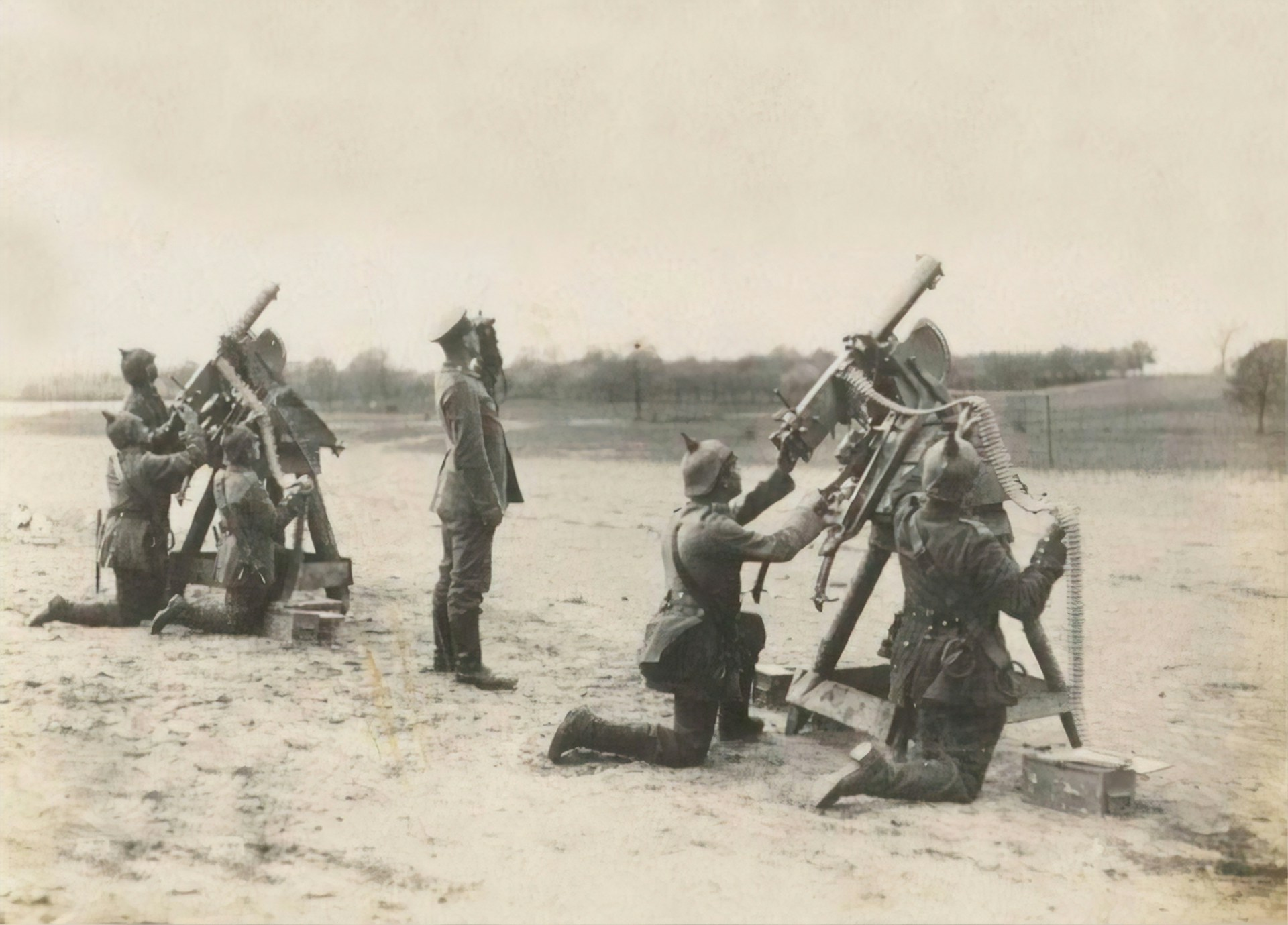
Military collections rarely fit into one neat category. A single family archive might include:
- Formal service photos and ID-style portraits taken at enlistment
- Unit and company group portraits from training or deployment
- Medals, ribbons, and service pins still attached to their original mounts
- Discharge papers, commendations, and award certificates
- Personal letters and V-mail sent home during active duty
Each of these items needs slightly different handling before it is safe to scan. Photos can usually go straight onto a flatbed scanner, but medals and ribbons need a different setup entirely. Fragile paper documents often need gentle flattening or support before they can go through any kind of scanner at all.
This is exactly why people search for a veteran photo scanning service like Smooth Photo Scanning rather than trying to handle a mixed collection like this on a single home scanner, since the goal is to preserve wartime photos and metal keepsakes without damaging either one.
Handling Fragile Wartime Paper: V-Mail, Silk Maps, and Newspaper Clippings
Paper from wartime eras is some of the most fragile material you will ever try to digitize. V-mail letters were printed on thin, lightweight paper to save cargo space, and decades later that same thinness makes them prone to tearing at every fold.
Silk escape maps, issued to pilots and soldiers in case they needed to navigate on foot behind enemy lines, were built to survive field conditions, not decades in a drawer, and the fabric can become brittle or discolored over time.
Newspaper clippings bring their own problem: newsprint is high in acid, and it yellows and crumbles faster than almost any other paper type.
If you plan to scan old military records alongside newspaper clippings announcing a homecoming or an obituary, handle the clippings first and separately, since the acid in newsprint can transfer onto cleaner documents stored next to it.
Taking the extra time here is part of what it means to preserve wartime photos and paper together without letting one damage the other.
For guidance on handling paper this delicate, scanning fragile newsprint and documents covers some of the basics, like avoiding tape, staples, and paper clips that can tear brittle paper even further.
Scanning Medals, Patches, and 3D Memorabilia With Overhead Scanners
A flatbed scanner works fine for flat items, but it cannot capture a medal, a dog tag, or a cloth patch properly. These items have depth, texture, and sometimes a shine that a flatbed scanner will either flatten out or wash out with glare.
Overhead scanning setups solve this problem by photographing the item from above under controlled, even lighting instead of pressing it against glass. A good approach to 3D memorabilia usually includes:
- Photographing medals and ribbons from a straight overhead angle to avoid distortion.
- Capturing both the front and back of patches, pins, and insignia.
- Using diffused lighting to reduce glare on metal and glass-covered items.
- Documenting the scale of each item, since photos alone can lose a sense of actual size.
This step is often the part people forget about when they plan to digitize military photos, focusing only on the paper and pictures while medals and patches stay boxed up and un-digitized. A veteran photo scanning service that also handles small 3D items saves you the trouble of finding a second company just for the medals.
How To Restore Water-Damaged or Foxed Military Photographs
Military photographs often traveled through humid climates, overseas storage, and decades of attic or basement storage before landing in a family archive, so damage is common.
Foxing, those small reddish-brown spots that show up on old photo paper, happens when fungus or metal impurities in the paper react with humidity over time. Water damage shows up as warping, staining, or photos that have stuck together in a stack.
Before any restoration work begins, it helps to understand why this damage happens in the first place.
How aging causes paper and photo deterioration breaks down the chemical and environmental factors behind fading, discoloration, and physical damage, which is useful background if you are trying to decide how much restoration a particular photo actually needs.
Once a damaged photo is scanned, photo restoration services can repair torn edges, remove stains, and bring faded images closer to how they looked originally.
This step matters most for the rare, one-of-a-kind combat or deployment photos that cannot be replaced if the original is lost, and it is often the part of the process that does the most to preserve wartime photos that have already suffered real damage.
Organizing Digitized Military Collections Chronologically by Service Period
Once everything is scanned, organization is what makes the collection actually useful. A folder full of unlabeled files is almost as hard to navigate as the original box. Most families get the best results when they sort digital files by:
- Branch of service and unit assignment
- Training, deployment, and discharge periods
- Named conflicts or campaigns, when known
- Individual family member, if the archive covers more than one veteran
This kind of organization is especially important when you scan old military records alongside photos, since paperwork like orders and commendations often provides the dates and locations that help identify when a particular photo was taken.
A veteran photo scanning service that labels files by date and unit from the start saves you hours of guesswork later.
Sharing With Veterans' Organizations and Family History Groups
Many veterans' organizations, historical societies, and genealogy groups actively collect digital copies of service photos, letters, and records to build out their own archives. Local VFW posts, American Legion chapters, and state historical societies are often looking for exactly this kind of material.
Sharing digital copies, rather than originals, means you keep the physical items safe while still contributing to a larger historical record.
Many family history groups and genealogy platforms also accept digital uploads. Your effort to digitize military photos and scan old military records can end up helping other researchers and distant relatives trace the same family line.
Honor Your Family's Service: Digitize Their Military Collection Today
A military collection tells a story that paper, metal, and photographs cannot tell on their own forever.
Water damage, foxing, brittle paper, and fading ink are working against every item in that box right now, which is exactly why so many families decide to digitize military photos, letters, and memorabilia before more detail is lost.
Working with a veteran photo scanning service that understands mixed media, from V-mail to medals to group portraits, means the whole collection gets handled the right way the first time.
If you have been meaning to scan old military records and photographs that have been sitting in a closet for years, now is a good time to start, while there is still detail left to preserve wartime photos for the next generation.