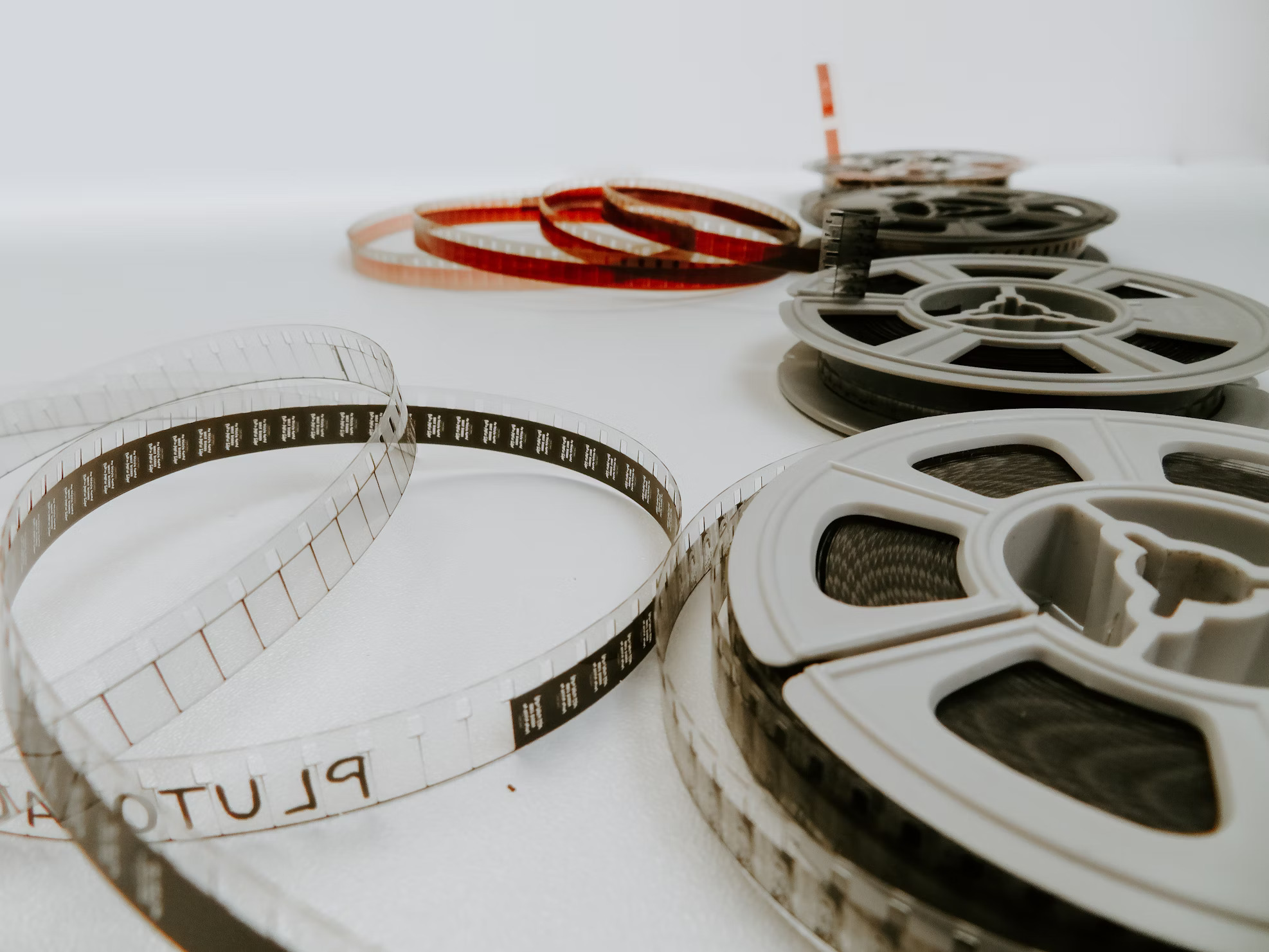
In the dynamic field of photography and cinematography, the kind of film you use is the key to capturing specific shots. Each film format gives a different look, and both hobbyists and pros need to know about the width of the film.
At Smooth Photo Scanning, we will discuss standard film formats like 8mm, Super 8, and 16mm, explaining what makes each unique. We will also discuss the importance of converting old films to DVD using a professional film camera to enhance the quality. or digital formats for preservation and sharing.
8mm Film Format
Eastman Kodak brought 8mm film to the scene, making it popular during the mid-20th century. This compact film format became a go-to choice for amateur filmmakers due to its convenient size and affordability.
The ease of use and cost-effectiveness of 8mm made it accessible for enthusiasts, allowing them to capture and preserve their moments without breaking the bank. Its popularity grew rapidly, becoming a staple for home movies and personal recordings during its heyday, particularly in the realm of film to digital conversion.
Super 8 Film Format
Super 8 film represented a notable advancement beyond the 8mm format. It offered improved image quality, providing enthusiasts with clearer and more detailed visuals and a significant innovation: a magnetic soundtrack for synchronized audio. This feature allowed filmmakers to enhance their creations by incorporating sound seamlessly with the visuals, marking a substantial leap in cinematic capabilities.
The widespread use of Super 8 occurred predominantly in the 1960s and 1970s when it became a go-to choice for amateur filmmakers and home videographers, thanks to its unique sprocket hole design. Its enduring popularity lies in its distinctive vintage aesthetic, contributing to the nostalgic charm associated with the medium. Even today, Super 8 holds a unique place in the hearts of those who appreciate the retro look and feel it brings to visual storytelling.
16mm Film Format
Widely favored in professional filmmaking, the 16mm film format stands out for its superior image quality and enhanced flexibility. Filmmakers opt for 16mm when they require more detail and visual clarity in their productions. Compared to 8mm and Super 8, the larger film size allows for more intricate and nuanced visuals, making it a preferred choice for projects that demand professional standards.
Beyond its use in professional cinema, 16mm has found its place in various other domains. Documentaries often use this format to capture real-life moments with a cinematic quality, while educational films benefit from their ability to convey information with precision and depth. Moreover, some feature films have embraced 16mm for their unique aesthetic, contributing to a distinct visual language that sets them apart from productions shot on other formats.
The versatility of 16mm film, with its balance of quality and practicality, has solidified its position as a reliable choice across different genres and industries. Filmmakers appreciate the adaptability of this format, allowing them to achieve a professional look without compromising on creative expression.
Other Film Formats
Aside from the most popularly known film formats of 8mm, Super8, and 16 mm film, there are also other film formats, including:
A. 35mm Film Format
The 35mm film format is a widely used and versatile option in filmmaking. Renowned for its balance between image quality and practicality, 35mm has been a standard choice for amateur and professional filmmakers. Its popularity is due to its ability to deliver high-resolution images while remaining manageable for practical shooting situations. Over the years, it has become a cinematic staple, used in various genres, from dramas to blockbusters.
B. 70mm Film Format
Stepping up in size, the 70mm film format offers an even more incredible visual spectacle. Known for its expansive and detailed images, 70mm has been utilized to create immersive cinematic experiences. This film type is often chosen for epic films and large-scale productions that aim to captivate the audience with breathtaking visuals and intricate perforation details. The sheer size of the film allows for incredible detail and clarity, making it a preferred choice for filmmakers aiming to make a grand visual impact.
C. Specialty Formats (e.g., IMAX)
Beyond the traditional formats, specialty formats like IMAX redefine the boundaries of cinematic experience. With its huge film frame and specialized projection systems, IMAX provides an unparalleled immersive experience for audiences. Typically used for documentaries and large-scale cinematic spectacles, IMAX films transport viewers into the heart of the action with stunning visuals and unmatched clarity. While less commonplace than other film types, these specialty options continue to push the boundaries of what is possible in visual storytelling, creating unforgettable cinematic moments.
Comparison of Formats
Now, let’s look at how these popular film formats stand in comparison.
A. Resolution and Image Quality
8mm Film: Known for its smaller size, 8mm film offers a nostalgic, vintage look but has limitations in resolution and image quality compared to larger formats. Super 8 Film: A step up from 8mm, Super 8 provides improved image quality, capturing more detail and offering a more precise visual experience.
16mm Film: With a larger frame size, 16mm excels in resolution and image quality, making it a preferred choice for professional filmmaking with more intricate and detailed visuals.
35mm Film: Widely recognized for its balance between quality and practicality, 35mm delivers high-resolution images suitable for various genres, making it a standard in the industry.
70mm Film: Offering even greater detail and clarity, 70mm is chosen for epic productions, providing a visually spectacular experience.
B. Availability and Cost
8mm and Super 8 Film types: These formats are typically more affordable and readily available, making them accessible for amateur filmmakers and enthusiasts.
16mm Film: While more costly than 8mm and Super 8 film types, 16mm is still relatively accessible for independent filmmakers, with availability depending on the region and market.
35mm and 70mm Film: These larger formats tend to be more expensive, and the availability may be limited and reserved for higher-budget productions due to the cost of film stock, processing, and equipment.
C. Use Cases and Applications
8mm and Super 8 Film: Ideal for home movies, personal recordings, and creative projects with a vintage aesthetic, especially when using sprockets for a unique texture.
16mm Film: Commonly used in professional filmmaking or making a slideshow with music, documentaries, educational films, and independent features.
35mm Film: Versatile and widely used across various genres, including dramas, comedies, and mainstream cinema.
70mm Film: Reserved for large-scale productions and epic films, providing a cinematic experience with grand visuals.
Specialty Formats (e.g., IMAX film type): Applied for immersive experiences, often in documentaries and large-scale cinematic spectacles. Understanding the differences in resolution, availability, cost, and applications of these film formats allows filmmakers to opt for the best option for their specific needs and creative goals.
Preservation and Conversion Considerations
Over time, film materials can degrade, leading to the loss of image and sound quality. This degradation is caused by factors such as temperature, humidity, and storage conditions.
The challenge arises when the equipment for playing specific film formats becomes obsolete, making viewing and transferring the content challenging.
Some film formats are susceptible to color fading, especially if not stored in optimal conditions, impacting the vibrancy and accuracy of the original footage.
Formats like Super 8 with magnetic soundtracks may face challenges preserving synchronized audio due to the deterioration of magnetic elements over time.
Options for Digitization and Conversion
At Smooth Photo Scanning, we offer you a range of film conversion services to preserve your old films:
Film Scanning Services: Professional film scanning services, such as those offered by companies like Smooth Photo Scanning, use high-quality scanners for converting film to DVD or other digital formats, preserving and enhancing the content.
Digital Photo Restoration: In addition to conversion, digital restoration services can address issues such as color fading, scratches, and other forms of deterioration, ensuring the longevity of the content.
Cloud Storage: Once you have converted video tapes to digital format, storing the content in secure cloud storage ensures easy access, sharing, and long-term preservation without the risk of physical degradation.
Considering the challenges of preserving different film formats, opting for professional digitization services is essential. Film conversion service turns analog content into a digital format and provides an opportunity for restoration and enhancement, mitigating the impact of time on the original motion picture footage.
Whether for personal memories, historical archives, or creative projects, digitization ensures the longevity and accessibility of valuable film content for generations to come.
Conclusion
Understanding different film formats and embracing the benefits that arise when you transfer films to DVD or digital formats helps us bridge the gap between the past and the future. Smooth Photo Scanning is a reliable partner in preserving and enhancing your cherished memories through film conversion, video transfer, photo restoration, negative scanning, and more.
Leap into the digital era while holding onto the timeless essence of your precious moments. Choose the right film type for your project. Smooth Photo Scanning for a seamless journey from analog film to digital. Reach out to us if you’re ready to transfer films to DVD or other digital formats.