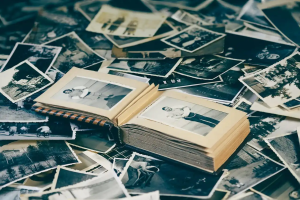
These are the rarest and most fragile photos you will ever encounter.
A daguerreotype from the 1840s, a tintype from the Civil War era, a glass plate negative from the early 1900s. They are irreplaceable historical records, and they require a completely different approach than scanning a box of 4×6 prints.
These are the rarest and most fragile photos most people will ever encounter. If you are looking to digitize daguerreotypes, glass plate negatives, or tintypes, the standard approach to scanning does not apply here.
The equipment most people have at home, and even what you find at retail photo kiosks, simply is not designed for antique photo format digitizing of this kind.
When you scan antique photographs professionally, you preserve both the image and the original artifact.
The risk of damage is real, and the results will almost certainly disappoint. If you want to digitize antique photographs properly, you need to understand what you are working with.
What Are Daguerreotypes, Tintypes, and Glass Plate Negatives?
Each of these three formats is a distinct piece of photographic history, and each comes with its own fragility.
- Daguerreotypes (1840s to 1860s): These are images captured on polished silver-coated copper plates. The surface is incredibly delicate and will smear if touched directly. They are usually housed in a small hinged case with a protective mat over the image.
- Tintypes (1850s to early 1900s): Also called ferrotypes, tintypes are photos printed on thin iron sheets (not actually tin). They are more durable than daguerreotypes but still prone to rust, bending, and surface flaking.
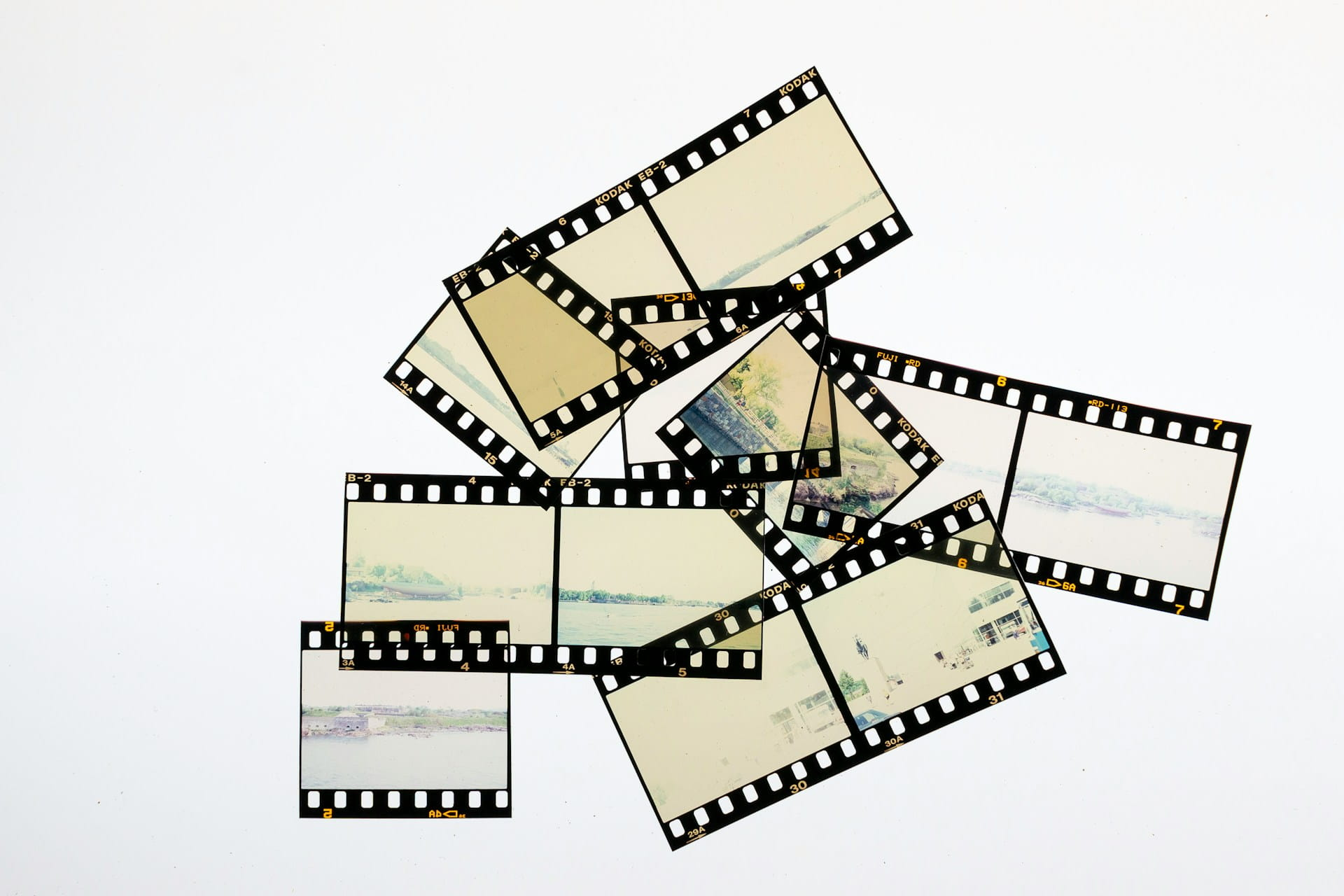
- Glass Plate Negatives (1850s to 1930s): These are large-format negatives coated onto glass. They are extremely fragile and heavy, and can crack or shatter from minor vibration. Glass plate negative scanning requires a completely different setup than standard film scanning.
Why These Formats Cannot Be Scanned Like Regular Photos?
A standard flatbed scanner works by placing an item face down on a glass plate and running a light bar beneath it. That method is fine for paper prints. For antique photo formats, it creates several serious problems:
- The reflective silver surface of a daguerreotype creates glare and distortion under scanner lighting, making the image appear washed out or almost invisible.
- Placing a daguerreotype face down risks scratching the surface, which cannot be repaired.
- Glass plate negatives are large, heavy, and fragile. Laying them on the scanner glass while applying pressure is an accident waiting to happen.
- Tintypes can stick, warp, or flake when handled incorrectly, especially older specimens with deteriorating surfaces.
Attempting to digitize daguerreotypes or glass plate negatives with off-the-shelf scanners often results in unusable images and, worse, physical damage to the originals.
This is exactly why daguerreotype digitizing requires specialist equipment and training, not a consumer flatbed.
How to Handle These Formats Safely Before Scanning?
Before anything else, protect what you have. Proper handling dramatically reduces the risk of accidental damage.
- Wear cotton gloves: Skin oils are corrosive to the silver surface of daguerreotypes. Always handle them with clean cotton gloves or hold them by the edges only.
- Keep them in their cases: If a daguerreotype came in a hinged case, keep it there. Those cases are designed to protect the image from air exposure.
- Store glass plates vertically: Laying glass plate negatives flat creates pressure points that can lead to cracking. Store them upright in padded dividers.
- Avoid temperature swings: Fluctuating humidity and heat cause expansion and contraction in antique photo materials. Keep them in a stable, cool, and dry environment until they can be digitized.
DIY Scanning Attempts: Why They Usually Fail
It is tempting to grab your phone and snap a photo of a daguerreotype or to run a tintype through a home scanner. Here is why that usually goes wrong:
Phone cameras introduce glare on the highly reflective surfaces of daguerreotypes, turning the image into a grey smudge with no visible detail.
Even with optimal lighting conditions, smartphone cameras lack the resolution and tonal depth needed for proper antique photo format digitizing.
Home flatbed scanners are not calibrated for the lighting angles these formats require. And if the item slips or is pressed down too hard, the damage is permanent.
No amount of editing in Photoshop will restore a scratched daguerreotype surface or repair a cracked glass plate negative.
What Professional Digitizing of Antique Formats Involves?
Professional scanning service providers and antique photo specialists use equipment and techniques that are simply not available to the average consumer.
The most common professional method for daguerreotypes and tintypes is a copy stand setup with controlled, raking lighting.
Instead of placing the item on a scanner, technicians lay it flat and position a high-resolution camera directly above it.
Adjustable LED or diffused lighting is directed at precise angles to eliminate glare while revealing the full tonal range of the image.
For glass plate negative scanning, professionals typically use a lightbox or transmission scanning setup. Light is passed through the negative from behind, and a high-resolution camera or drum scanner captures the image. This method preserves the full tonal range of the negative without any pressure on the fragile glass.
Additional steps in professional antique photo format digitizing often include:
- Careful cleaning of surfaces using compressed air (never contact cleaning on daguerreotypes).
- Bracketed exposures to capture full shadow and highlight detail.
- Color correction and contrast adjustment in post-processing.
- Individual inspection of each capture before the original is repacked.
What Resolution and Format Should Antique Photos Be Captured In?
For items this rare, you want the highest resolution capture you can get. Here are the general guidelines used by archivists and professional digitizers:
- Minimum 600 DPI for small formats: For tintypes and daguerreotypes, the size of a business card or smaller, capture at 600 DPI minimum to preserve fine detail.
- 1200 DPI or higher for maximum archival quality: For items destined for a family archive or institutional collection, 1200 DPI gives you room to make large prints without loss of quality.
- TIFF format for archival masters: TIFF files are lossless, meaning no image data is discarded during compression. Save your master files as TIFFs and create JPEG copies for sharing.
- RAW capture for camera-based setups: If the digitizing is done with a camera rather than a scanner, RAW files give post-processing flexibility before converting to TIFF.
Preserving the Original After Digitizing
When you digitize daguerreotypes, glass plate negatives, or tintypes, you are not replacing the originals. These physical objects are artifacts with their own historical and monetary value. After digitizing:
- Store daguerreotypes in acid-free enclosures or keep them in their original cases.
- Wrap glass plate negatives individually in acid-free tissue and store vertically.
- Keep all antique formats away from basements, attics, and garages where temperature and humidity fluctuate.
- Consider reaching out to a local historical society or library if you believe your items have significant public historical value.
Closing Thoughts
In the end, digitizing daguerreotypes, tintypes, and glass plate negatives is not just about creating digital copies.
It is about preserving fragile pieces of personal and cultural history before time, handling, or environmental damage makes that impossible.
While DIY methods may seem convenient, these antique formats demand a level of care, precision, and expertise that standard scanners and phone cameras simply cannot provide.
Investing in proper antique photo digitizing helps protect the original while ensuring every detail, texture, and story is preserved for future generations.