Most people cannot remember everything they owned after a fire, flood, or burglary. That is why creating a visual record before something happens is one of the smartest things you can do.
A complete inventory with photos, scanned documents, and receipts makes it much easier to prove ownership and speed up insurance claims. If you already have boxes of printed photos, receipts, or paperwork, using professional scanning services can help you organize everything into one secure digital archive.
Smooth Photo Scanning specializes in preserving important photos, documents, and keepsakes in high-quality digital formats, making them easier to store, search, and access whenever you need them.
If you are looking into photo scanning for home insurance, now is the perfect time to build a digital inventory before an emergency forces you to.
Why Do Insurance Companies Recommend Visual Documentation of Possessions?
Insurance companies want evidence. A written list is helpful, but photos and scanned documents provide much stronger proof. When you document belongings for insurance, you create a record that helps verify:
- The condition of your items before damage occurred
- Brand names, model numbers, and serial numbers
- Approximate purchase dates
- The overall value of your possessions
- Ownership of valuable collections
This documentation can reduce delays during the claims process because adjusters spend less time verifying your information.
What Should You Photograph and Scan?
Start with the items that would be the hardest or most expensive to replace.
1. Electronics
Take clear photos of:
- TVs
- Laptops
- Desktop computers
- Gaming consoles
- Cameras
- Smart home devices
Capture serial numbers whenever possible.
2. Jewelry
Photograph each piece individually and include:
- Rings
- Watches
- Necklaces
- Bracelets
- Earrings
If you have appraisals, scan those too.
3. Furniture
Take wide shots showing furniture in each room, followed by close-up photos of expensive pieces. Include:
- Dining tables
- Sofas
- Bedroom sets
- Office furniture
- Antique pieces
4. Collectibles
Many collections increase in value over time. Photograph and organize:
- Sports memorabilia
- Coins
- Trading cards
- Artwork
- Musical instruments
- Vintage toys
Creating digital home inventory photos makes these collections much easier to identify later.
Scan Receipts, Appraisals, and Warranty Documents
Photos alone may not be enough. Supporting paperwork helps establish value and ownership. Consider scanning:
- Purchase receipts
- Credit card receipts
- Warranty cards
- Product manuals
- Jewelry appraisals
- Certificates of authenticity
- Insurance riders
- Repair records
Instead of keeping paper copies in several drawers, digitize them using reliable document scanning services. Keeping everything together makes searching for specific paperwork much easier after an emergency.
Smooth Photo Scanning also scans important documents, photos, albums, oversized items, and keepsakes, helping families preserve and organize valuable records in one place.
When you scan valuables for an insurance claim, pairing photos with receipts creates a much stronger record.
Organize Your Inventory by Room and Category
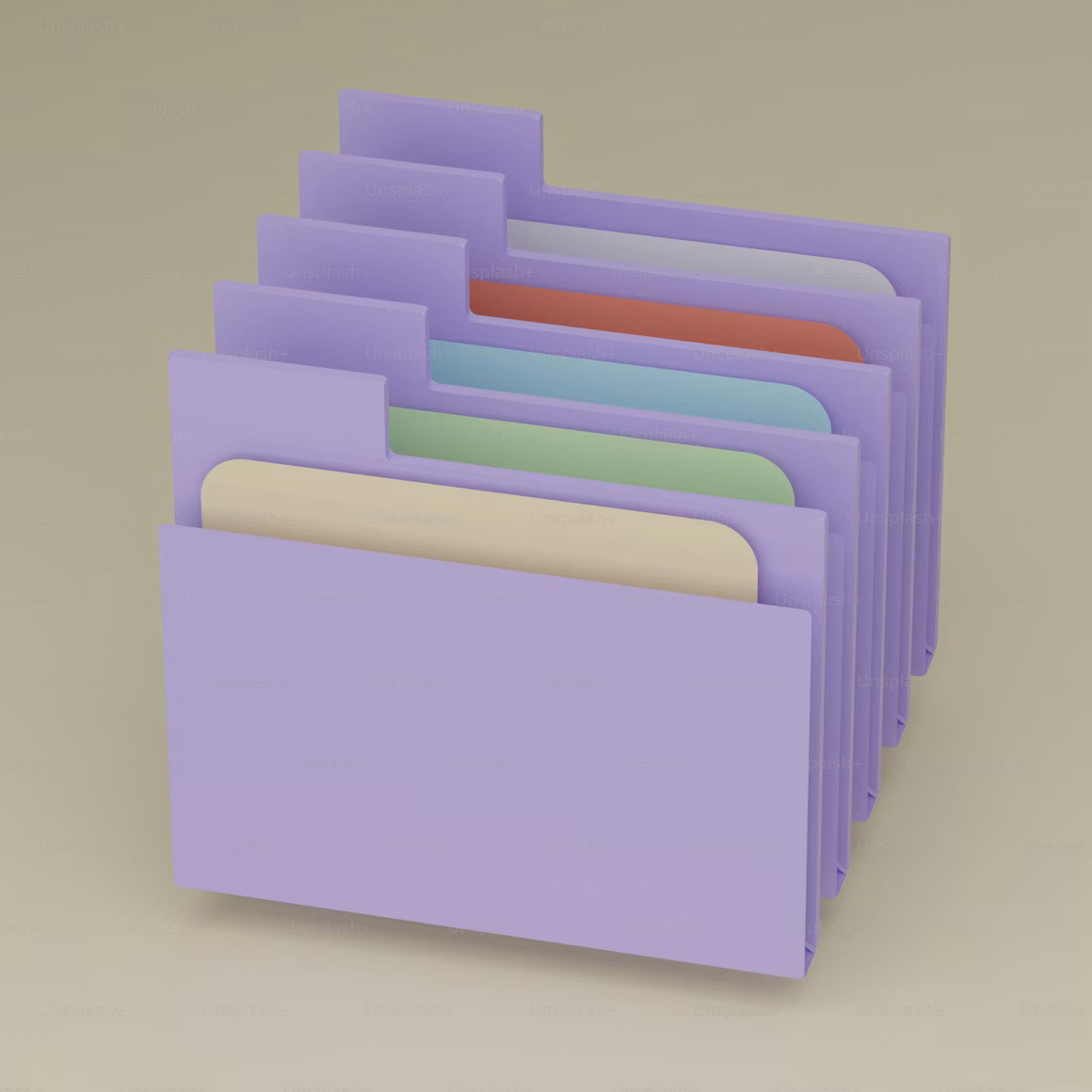
A random folder filled with hundreds of photos quickly becomes difficult to use. Instead, logically organize your files. A simple folder structure could look like this:
- Living Room
- Kitchen
- Bedrooms
- Bathrooms
- Garage
- Basement
- Home Office
- Outdoor Equipment
Inside each folder, create subfolders for:
- Electronics
- Furniture
- Appliances
- Decorations
- Important documents
Rename files using clear names like:
- LivingRoom_SonyTV_2026
- Kitchen_Refrigerator_Receipt
- Bedroom_Jewelry_Appraisal
This organization makes digital home inventory photos much easier to search when every minute matters.
Store Your Inventory Safely
Your inventory is only useful if you can access it after a disaster. Follow these storage practices:
- Save copies on an external hard drive.
- Store another copy in a secure cloud backup for your digital files.
- Keep a USB drive inside a fireproof safe.
- Update your inventory once or twice each year.
- Replace outdated receipts whenever you buy expensive items.
If your original family photographs are part of your household records, learning about protecting your photos from flood and water damage can also help preserve memories that cannot be replaced.
Using multiple storage locations follows the same principle as backing up other important records.
How Does Professional Scanning Help Large Homes?
Scanning decades of paperwork, family albums, printed photographs, warranties, certificates, and insurance documents is time-consuming. Professional digitization offers several advantages:
- High-resolution scanning for clear images
- Safe handling of fragile photographs and documents
- Organized digital folders
- Searchable files for easier retrieval
- Consistent image quality
- Less time spent scanning everything yourself
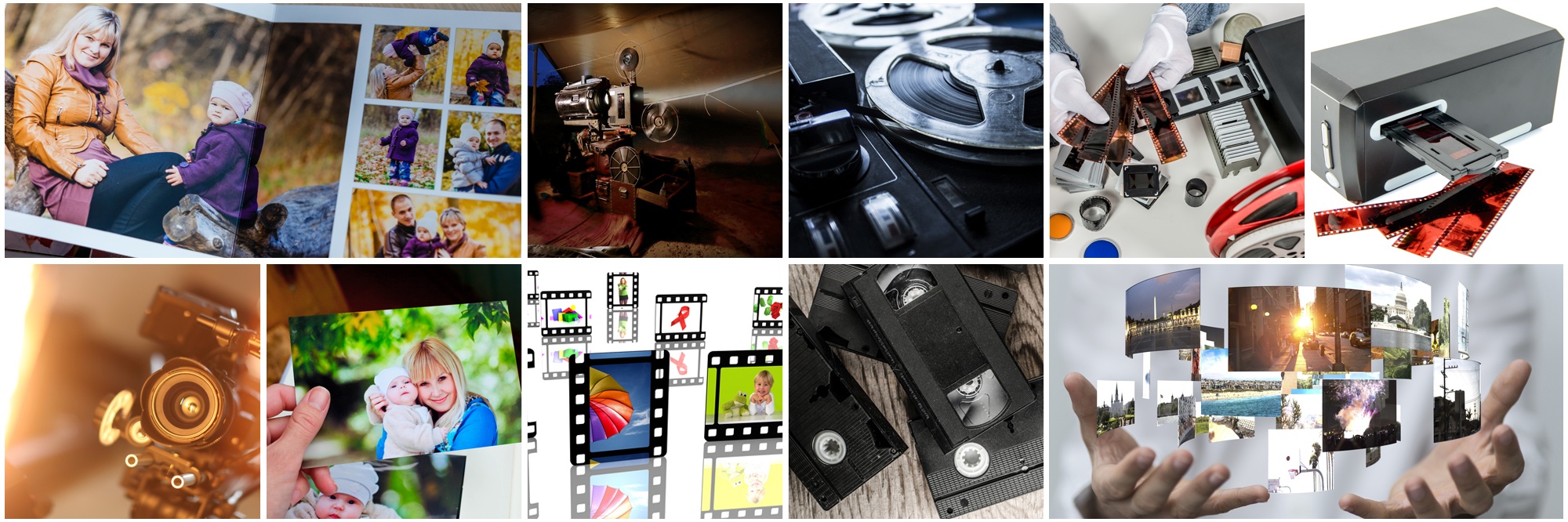
Smooth Photo Scanning offers services for photos, albums, documents, slides, negatives, videotapes, and other media, making it easier to build a complete digital archive.
If you ever need to document belongings for insurance, having professionally digitized files can save hours of searching.
Build Your Home Inventory Before You Need It
Most homeowners never expect to file a claim. Unfortunately, disasters rarely come with advance notice.
Creating photo scanning home insurance records today can make the claims process faster, simpler, and far less stressful tomorrow. By combining photographs, receipts, warranties, appraisals, and organized folders, you create a reliable record of what you own.
Whether you need to preserve thousands of family photos or organize decades of important household documents, Smooth Photo Scanning can help you build a comprehensive digital home inventory that is easy to store, update, and access whenever you need it.