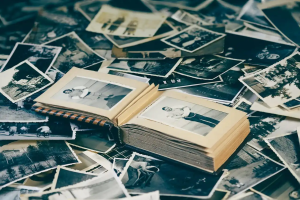
Back in the mid-20th century, 3D stereo slides brought a whole new level of depth to family vacations, graduations, and celebrations. Unlike flat images, these slides offered a lifelike sense of perspective. Viewed through a stereo slide viewer, they captured moments with a realism that ordinary photos couldn’t quite match.
But while the results were eye-catching, the format itself was more delicate than most people realized.
Preserving 3D stereo slides takes more than keeping them in a box under the bed. Their construction, viewing method, and aging materials all add layers of difficulty when it comes to long-term storage and archiving.
That’s where a reliable stereo slide scanning service becomes so important.
Why 3D Stereo Slides Are More Vulnerable to Damage
Unlike standard slides, stereo slides come in pairs — two images placed side-by-side. These pairs are meant to be viewed simultaneously through a stereo viewer, tricking the brain into perceiving depth. However, this dual-image format means there’s twice the film surface exposed to light, moisture, fingerprints, and scratches.
Even minor bending or warping can throw off the alignment, leading to distorted images during playback. Storage conditions also play a big role. Temperature changes and humidity tend to affect the adhesive and film layers in stereo slides faster than traditional ones.
This is why many families discover that their 3D slides, once vivid, now look faded or show signs of chemical deterioration.
Why You Shouldn’t Attempt DIY Conversions
Plenty of slide scanning devices are available to consumers today — and while they may work for standard slides, stereo slides are a different story. The alignment needs to be spot-on for the 3D effect to come through. Most at-home solutions don’t support stereo formats at all, let alone maintain proper depth calibration.
A professional stereo slide conversion to digital service uses high-resolution equipment designed specifically for these formats. Technicians who work with stereo imaging understand how to adjust colors, correct alignment, and retain the original 3D structure — something a flatbed scanner or smartphone app simply can’t do.
By choosing the right slides to digital service, you don’t just digitize the images — you preserve the immersive viewing experience that stereo photography was made to deliver.
How the Right Equipment Makes a Difference
Stereo slides present unique challenges due to their dual-image format. While we only scan one frame from each slide — meaning the original 3D effect is not preserved — using the right equipment is still critical to achieving a clear, high-quality digital image.
Our professional scanners ensure optimal alignment, color accuracy, and contrast for the frame we digitize. We handle each slide with care, restoring visual clarity while maintaining the integrity of your memories.
If your stereo slides include handwritten labels, cardboard mounts, or other identifying features, those can also be scanned and indexed to help preserve the historical context of each image.
If your slides include handwritten labels, cardboard mounts, or other identifying features, those can also be scanned and indexed to keep the history attached to each memory.
Don’t Forget the Viewing Experience
Once the slides are digitized, you’ll want to enjoy them the way they were meant to be seen. That’s where a modern stereo slide viewer or compatible VR headset can come in handy. Some services even offer formats optimized for 3D displays or allow you to view side-by-side images through digital viewers.
If you’re digitizing your slides for archiving, they can be saved as TIFFs or high-resolution JPEGs. But if you plan to share them with family or use them for a presentation, you might prefer MP4 video files or 3D-compatible slideshow formats.
Spacing out the files with labeled folders and image tags also helps you organize them better for future use.
Preserving More Than Just Stereo Slides
While 3D slides are a standout category, chances are you also have a box full of standard film slides tucked away somewhere. Maybe they’re from family vacations, weddings, or school trips. A good slide scanning service can help turn those memories into high-quality digital files as well.
Unlike flat scans, these services adjust for color fade, scratches, and exposure inconsistencies. That means your final files won’t just be digital — they’ll be clean, corrected, and easy to share.
Why This Matters Now
Film doesn’t last forever. With every passing year, colors shift, chemicals break down, and image quality drops. By choosing to convert slides to digital format — especially delicate formats like stereo slides — you’re preserving the look and feel of the original images before they’re lost.
Family memories deserve more than being boxed away or buried in a drawer. They deserve to be part of your everyday life again — viewed on a screen, shared with the next generation, and appreciated the way they were when first created.
A Word About Service Quality
Professional conversion services often come with options like dust and scratch removal, customized naming, and flexible output formats. You’ll also find choices for shipping, secure handling, and file delivery — from cloud links to DVDs or USB drives.
This flexibility gives you control over how your memories are handled, saved, and shared. And when dealing with stereo slides, the right scanning approach is worth the investment.
Time to Bring Depth Back to Your Memories
If you’ve been holding onto 3D stereo slides, waiting for the “right time” to deal with them, don’t wait any longer. These unique keepsakes were never meant to sit hidden away. A professional stereo slide scanner can help you restore and preserve them the right way — with care, accuracy, and attention to detail.
Take the first step toward saving your family’s stereo photo collection. Whether you’re archiving just a few slides or an entire shelf of reels, now is the time to act. Visit Smooth Photo Scanning to learn how we handle stereo formats and all other film-based photos. Make those memories easy to view, share, and enjoy again — just like they were meant to be.