You probably have not looked at them in years. A dusty carousel on a shelf, a shoebox of plastic-mounted 35mm slides tucked behind holiday decorations. Out of sight feels safe. But the organic chemistry inside that film does not pause just because the lid is closed.
Right now, dye layers are fading, gelatin is drying, and acetate bases are slowly releasing acid. Decay does not wait for you to notice it.
Are my slides still good? Families across the country ask this every year, usually after opening a container and spotting a strange color cast or catching a sour smell. Those observations are not cosmetic quirks.
They are measurable 35mm slide deterioration signs that indicate real, ongoing chemical breakdown. Below, you will find seven specific red flags to look for and clear guidance on when to digitize slides before recoverable image data is lost for good.
How 35mm Slide Film Degrades Over Time?
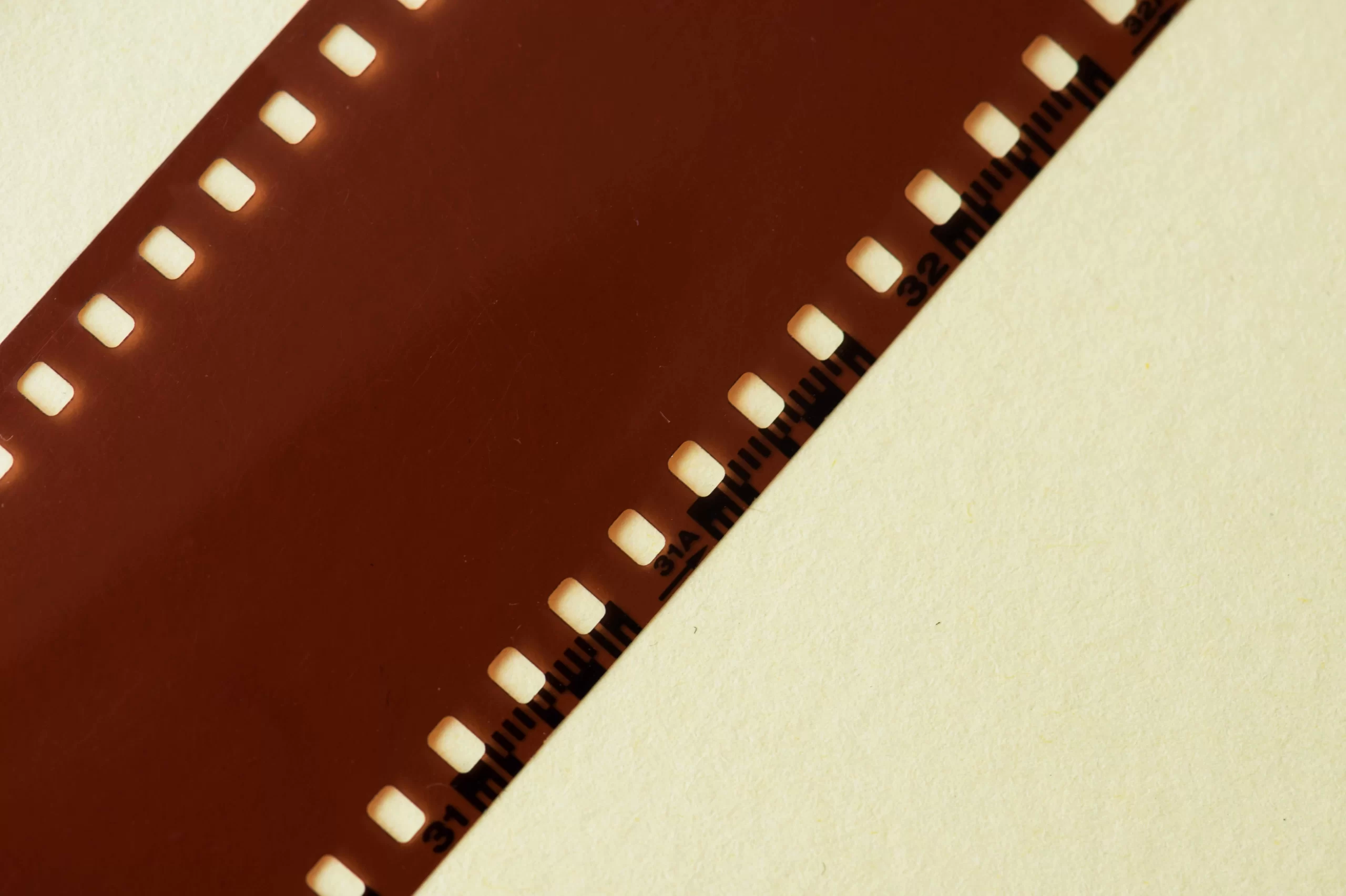
Most 35mm slides produced between the 1940s and 1990s use Kodachrome (K-14 process) or Ektachrome (E-6 process) film stock.
Both contain organic dye layers in a gelatin emulsion on an acetate or polyester base. Each layer degrades at a different rate depending on temperature, humidity, and light exposure.
| Film Type |
Dye Stability |
Common Degradation |
| Kodachrome (K-14) |
High (50+ years properly stored) |
Vinegar syndrome, base shrinkage |
| Ektachrome (E-6) |
Moderate (20-40 years) |
Cyan dye loss, color shift |
| Fujichrome |
Moderate to high |
Magenta shift, emulsion cracking |
| Agfachrome |
Lower (15-30 years) |
Yellow dye loss, brittleness |
Understanding slide film degradation warning signs starts with knowing your film stock. Ektachrome and Agfachrome are especially prone to the color fading 35mm slides experience over time.
Sign #1: A Cyan or Magenta Color Shift
One of the earliest 35mm slide deterioration signs is a visible color cast. Slides that once showed natural skin tones may now lean heavily cyan (blue-green) or magenta (pinkish-red).
This happens because organic dye layers fade at uneven rates. In Ektachrome, the yellow dye fades first, leaving a cyan-dominant image. Some Fujichrome emulsions shift toward magenta instead.
- Skin tones appear blue, purple, or unnaturally pink.
- Green foliage looks teal or gray.
- Whites carry a visible tint rather than appearing neutral.
If you are wondering if my slides are still good, hold one up to daylight. A strong single-color cast is a reliable sign of ongoing dye deterioration. This kind of color fading in 35mm slides is cumulative and worsens with heat.
Sign #2: A Vinegar or Acrid Smell
A sour, vinegar-like odor from your slide containers is a serious red flag. This smell comes from acetic acid released as the cellulose acetate base decomposes, a condition archivists call vinegar syndrome.
It is one of the most urgent slide film degradation warning signs because the process is autocatalytic. Once it starts, the acid accelerates decay in neighboring slides.
💡
Pro Tip
If you detect a vinegar smell, separate affected slides immediately and contact a scanning service. The Image Permanence Institute offers acid-detection strips (A-D Strips) that measure decomposition severity on a 0 to 3 scale.
Sign #3: Visible Mold or Fungal Growth on the Film
Mold on slide film appears as white, gray, or greenish spots or thread-like webs on the surface. In severe cases, mold etches permanently into the gelatin emulsion, destroying detail that no digital correction can fully recover.
Fungal growth thrives above 65% relative humidity and 75 degrees Fahrenheit, making basements and attics common trouble spots.
If mold on slide film has spread across many of your slides, professional digitization should be an immediate priority. This is exactly when to digitize slides, before biological damage becomes total.
Sign #4: The Mount Is Warping or Cracking
The cardboard or plastic mount keeps the film flat for projection and scanning. When mounts warp or crack, the film buckles, producing images that are partially out of focus when scanned.
Cardboard mounts absorb moisture and swell over time. Plastic mounts can crack and lose their grip. Damaged mounts are a clear slide film degradation warning sign.
Sign #5: Emulsion Flaking or Surface Crazing
The emulsion layer is where your image lives. When it dries out, it can crack into fine lines (crazing) or peel from the base (flaking). Both are irreversible. Once the emulsion separates, the image data beneath is gone.
These are among the most alarming 35mm slide deterioration signs because they represent permanent physical loss.
Sign #6: The Film Has Become Brittle
Healthy film bends slightly without cracking. If it snaps under gentle pressure, moisture loss and chemical breakdown have made it brittle. This typically accompanies vinegar syndrome and is a late-stage indicator.
A skilled technician can digitize brittle slides with careful handling. But the window is closing, and knowing when to digitize slides matters here more than anywhere: the answer is right now.
Sign #7: The Projector Leaves Marks or Melts the Film
If slides come out of your projector with heat marks, warped edges, or melted spots, the film can no longer tolerate the stress. Projector bulbs run between 300 and 500 watts. Aged film softens and deforms much faster than fresh stock.
Each projection cycle accelerates every other form of degradation. If your projector is damaging slides, stop projecting and start scanning.
Quick Reference: All 7 Warning Signs at a Glance
| Sign |
What You Notice |
Urgency |
| Cyan/magenta color shift |
Unnatural color cast across the image |
Moderate |
| Vinegar smell |
Sour odor from containers |
High |
| Mold or fungal growth |
White, gray, or green spots on film |
High |
| Warping/cracking mounts |
Bent or broken holders |
Moderate |
| Emulsion flaking/crazing |
Peeling or cracked film surface |
Critical |
| Brittle film |
Film snaps under light pressure |
Critical |
| Projector damage |
Heat marks or melted spots |
High |
Can Deteriorated Slides Still Be Scanned?
Yes. In most cases, slides showing these 35mm slide deterioration signs can still be scanned. Professional equipment extracts usable data even from faded, warped, or partially damaged film.
At Smooth Photo Scanning, all 35mm slides are scanned at a minimum of 2000 DPI and up to 4000 DPI using Digital ICE technology. Digital ICE detects dust and minor scratches via infrared pre-scan and removes them automatically.
Each slide is cleaned with compressed air, individually inspected, cropped, rotated, and color-corrected.
Are my slides still good enough to scan today? Almost certainly.
Will they be in five years? That depends on how much further they deteriorate.
How to Slow Down Deterioration Before Scanning?
If you cannot scan immediately, improve your storage conditions to buy time.
| Factor |
Ideal Range |
What to Avoid |
| Temperature |
60 to 68 F (15 to 20 C) |
Attics, garages, and uninsulated spaces |
| Relative humidity |
30% to 40% |
Basements, bathrooms, sealed plastic bags |
| Light exposure |
Complete darkness |
Windowsills, open shelving |
| Container type |
Acid-free boxes or archival sleeves |
Shoeboxes, rubber-banded bundles |
- Separate any slides with mold on the slide film or vinegar smell from the rest of your collection.
- Use silica gel packets to absorb excess moisture in containers.
- Avoid touching the film surface with bare fingers. Skin oils accelerate color fading in 35mm slides over time.
These steps are temporary. The only permanent solution is professional digitization. Knowing when to digitize slides is critical: the answer is always as soon as possible.
Bottom Line
Every day your slides sit unscanned, more dye fades, more mold finds a foothold, and more frames edge closer to the point of no return. You now know the seven warning signs to watch for. The next step is straightforward.
Smooth Photo Scanning makes the process simple. Place your order online or call 973-510-0818. Ship your slides (free shipping on qualifying orders) or drop them off at the Lodi, NJ facility. Your slides will be cleaned, scanned at up to 4000 DPI with Digital ICE, color-corrected, and returned in the same order they were received.
Get your slides scanned before more damage occurs. Your family memories are irreplaceable. Act while your slides can still tell their stories.