Videotapes may no longer be the go-to way to watch movies and family videos. But for many people, various videotape format options are still the primary way they store some of the most precious memories of their family and friends.
If you’re one of the people who has accumulated an extensive videotape collection, you are probably already thinking about transferring them into digital video file formats. But if you’re not an expert on types of video tapes and video cassettes, you might be confused about how to get started with the entire process.
Before you can try to digitize the tapes yourself or take them to a professional, you will need to know what you have in your collection, as different tapes require different players, which can be complicated. To help you get started, let’s go over a few of the most common video tape formats you may have in your collection.
What Types of VHS Tapes You Might Have?
When it comes to different types of VHS tapes, there’s more than meets the eye. While many people think of “VHS” as one single format, the truth is there are multiple VHS types, each developed for a slightly different purpose or quality standard. Knowing what kind you have is the first step to preserving your collection.
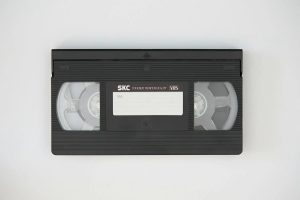
As far as video formats for tapes go, VHS is the one most people are familiar with. It’s the classic format that’s been around for a long time and the one that’s become forever linked with movies, pop culture, and home videos alike.
Because of that, it’s not surprising that VHS is the video tape format that’s found in most homes to this day. When they first became available, VHS tapes became immensely popular and were used in a variety of situations.
Even early camcorders used VHS tapes for recording video, so many people don’t just have old movies but also home videos that they’ve shot over the years in the same VHS type as well.
S-VHS
S-VHS is an enhanced and improved VHS format, which introduced improved video quality, higher resolution, and an overall better experience.
Even though it may not be as popular as VHS, many people also have this enhanced format. If you have S-VHS tapes, keep in mind that not all VCRs can play them, you’ll need an S-VHS capable player. This is one of the different types of VHS tapes worth preserving since the quality upgrade makes it ideal for converting VHS to digital and getting clearer, more detailed footage once digitized.
VHS-C is another variation on the VHS format, with its main innovation being the reduced size. Even though the main principles behind VHS and VHS-C were similar, the latter was significantly smaller, allowing people to conveniently use the tapes on their home camcorders.
Another huge benefit of these tapes was the ability to view them on a regular VCR despite the fact that they were smaller. People could simply use a VHS-C adapter and view any VHS-C tape through a regular VCR without needing any additional equipment.
This made VHS-C one of the most accessible types of VHS tapes for home video recording. Today, these tapes are great candidates for a professional tape digitizing service, which can safely convert them to modern digital formats without any loss in quality.
If you’re ever tried to film using a VHS tape camera, you probably know all too well just how heavy and bulky it was. So it’s not surprising that the 8MM tape was introduced shortly after, providing a much more portable solution that allowed manufacturers to significantly reduce the size of the camcorders of the day.
Even today, many old types of video cassettes are found in the 8mm format, and they can be easily digitized to prevent deterioration and preserve those memories for future generations.
In fact, this tape was so popular that an improved version (which we’ll cover shortly) actually remained in use for a very long time. But for many people, even the original 8MM was a great choice, which is why so many folks now have it.
As the name implies, the Hi8 tape was similar in size to the original 8MM, but it offered a significant quality improvement. It also came with hi-fi stereo sound capabilities, taking the camcorders of the day into a new era of video and audio quality.
The quality was not nearly as good as the digital recording capabilities of today, but it was good enough to be popular for a long time. In fact, some manufacturers are even bringing back the Hi8-type camcorders for those who want to relive the vintage feel of these recordings.
These tapes are also known to be pretty good at maintaining the footage quality when transferring into digital video file formats, which is great news for you if you happen to have a collection of them in your home. What’s great about Hi8 is that the footage holds up well when digitized. Many users find that Hi8 conversions produce crisp and stable digital videos, especially when handled by a professional photo digitizing service that uses advanced restoration tools.
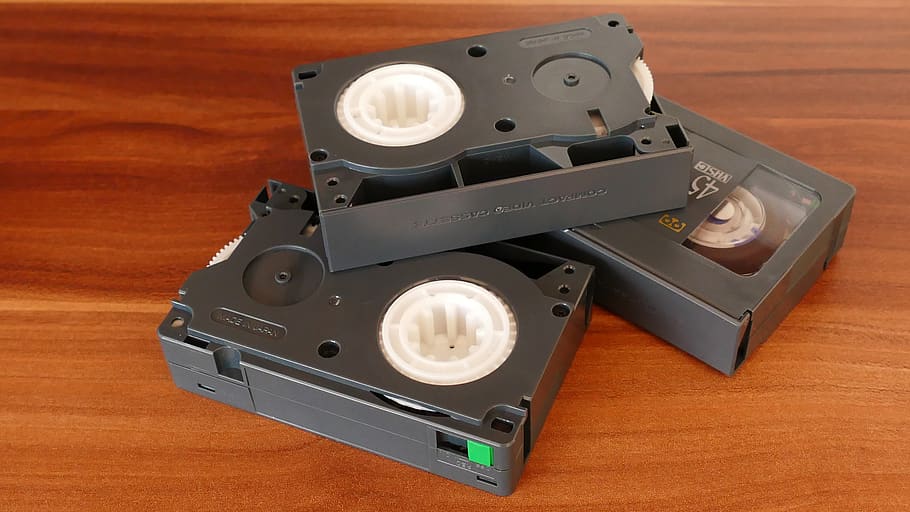
Introduced in 1995, MiniDV quickly became one of the most convenient ways to store video data in a relatively small cassette. The impressive thing about the MiniDV format was that it could hold 11GB of data, which provided amazing opportunities for video length and quality.
You could use it to record video for up to two hours, maintaining consistent quality and foregoing the need for compressing the audio of the footage.
In 2003, MiniDV was updated into the HDV, which was similar but improved the video codec. However, in the last decade, with memory cards becoming more prevalent, MiniDV and HDV slowly became obsolete.
Still, these types of video cassettes remain among the best analog sources for digitization, thanks to their higher native quality. If properly handled, they can produce near-HD digital conversions.
Why Knowing Your VHS Type Matters Before Digitizing
Before you begin digitizing your collection, it’s important to understand which VHS type you own. Different video tape formats require specific playback devices, and using the wrong one can damage the tape permanently.
For instance, playing an S-VHS on a regular VCR can lead to poor image quality or tracking errors. Similarly, VHS-C tapes need adapters to be played safely. Identifying the correct types of VHS tapes helps you choose the right equipment or communicate clearly with a professional digitization provider.
If you’re planning on converting them yourself, it’s crucial to use high-quality capture devices and handle the tapes carefully. But if your goal is to preserve them with zero risk of damage, it’s always safer to use a professional tape digitizing service. Experts can clean, stabilize, and digitize each tape using calibrated machines that protect the original footage.
What Are The Tips for Preserving and Digitizing Your Videotapes?
By this point, you should have a better idea of what category of tape video formats your collection falls into. But while that’s a good starting point, it doesn’t answer the main question – how to get your analog tape collection into a digital format?
Converting into digital video formats is the only way to prevent your tapes from deteriorating or getting destroyed, but if you don’t have professional equipment, the process can be overwhelming.
The good news is that there are affordable, accessible, and fast analog tape digitization services that you can use to turn your entire collection into digital file formats you can use on your computer, share on social media or send to your family.
Instead of having to figure out how to do it on your own, you can leave your entire collection in the hands of professionals who will ensure that you get the best result possible. At Smooth Photo Scanning, we use cutting-edge equipment and software to provide high-quality and consistent digital video files for each tape that you send us.
Once your home videos are digitized, you won’t have to worry about storing the bulky tapes. Instead, your entire collection will fit into a small flash drive that you can keep safe and transport with ease.
Final Thoughts
Your old types of VHS tapes and video tape formats hold memories, milestones, and pieces of your family story. But over time, magnetic tapes degrade, colors fade, and playback becomes unreliable.
Digitizing now means you’ll always have a clear, shareable, and permanent version of those moments. Whether it’s converting VHS to digital or restoring fragile 8mm tapes, Smooth Photo Solutions makes the process simple, safe, and beautifully effective.
Let your memories live on for generations to come.