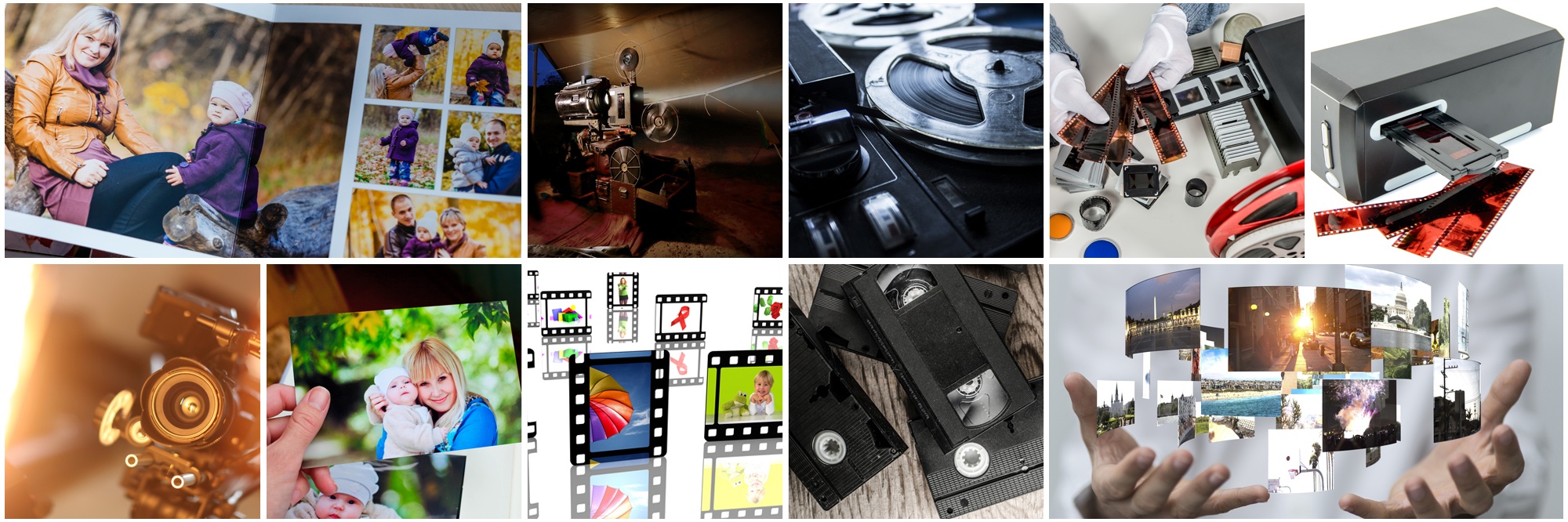
Random names and dates alone rarely spark curiosity in children. A visual family tree, however, transforms ancestry into a dynamic experience. When you combine high-resolution images, mapped journeys, audio clips, and interactive elements, family history becomes engaging and memorable.
One of the first technical steps is proper digitization. High-quality photo album scanning ensures your original prints and albums are preserved at archival resolution so they display sharply on modern 4K screens, tablets, and smart TVs. Without accurate scanning standards, even the most thoughtful creative family tree ideas will lose impact.
Today, we present to you a detailed and structured guide to building a compelling visual family tree that holds your child’s attention while preserving long-term archival quality.
Why Traditional Genealogy Fails the Next Generation?
Traditional genealogy tools focus heavily on:
- Names
- Birth and death dates
- Marriage records
- Census documentation
While historically important, these formats lack emotional context. Today’s children consume content differently, like:
- Short-form video
- Interactive mobile apps
- Touchscreen navigation
- Map-based exploration
That means visual, interactive storytelling resonates more effectively than static charts.
1. Start with the “Action Shots” And Not Just Portraits
Children connect with motion and personality. Formal studio portraits have historical value, but candid images build emotional engagement. Prioritize photos that show:
- Grandparents riding bikes
- Family road trips
- Holiday celebrations
- Sports events
- Farming, fishing, or military service
- Classic cars or motorcycles
These images immediately humanize ancestors. Instead of saying, “Your grandfather was adventurous,” you show it. Using these assets strengthens both your storytelling and your creative family tree ideas.
Using Candid Negatives to Show Ancestors as Real People
Many families overlook negatives stored in envelopes or sleeves. Negatives often contain:
- Additional exposures never printed
- Sharper detail than final prints
- Full tonal range from the original film
Digitizing negatives expands your archive significantly. Including candid expressions and informal settings strengthens the emotional core of your family tree.
2. Include Interactive Maps and Timelines
Geography makes ancestry tangible. Instead of listing birthplaces, create:
- Interactive migration maps
- Chronological relocation paths
- Timeline overlays
Many platforms, such as Ancestry and MyHeritage, provide mapping tools.
Engagement Strategy
- Add photos at each geographic stop
- Include historical context, e.g., economic migration
- Let kids click on cities to explore images
Using Digital Tools to Link Photos to Specific Landmarks
Children understand history better when it connects to real places. You can:
- Attach immigration records to Ellis Island.
- Add military photos linked to specific bases.
- Embed hometown landmarks.
The “Then and Now” Challenge: Matching Old Photos to Modern Locations
Turn historical comparison into a family activity. Steps include:
- Identify an old neighborhood photo.
- Visit the same location.
- Recreate the image.
- Place both side-by-side.
Benefits:
- Encourages participation.
- Builds spatial awareness.
- Connects past to present.
3. Add the “Soundtrack” of Their Lives
Audio adds emotional depth that images cannot replicate. You can digitize:
- Cassette tapes
- Oral history recordings
- Voicemail archives
Hearing a grandparent’s voice activates emotional memory pathways more effectively than text alone. Store audio in:
- WAV format (archival)
- MP3 format (sharing)
Pair voice clips with individual profiles inside your family tree.
Why a 10-Second Film Reel Outshines a Still Image?
Even a brief clip can show:
- Gait and movement
- Facial expressions
- Social interaction
- Cultural environment
Video communicates personality instantly. Digitize film reels at high resolution to ensure clarity on modern displays. When integrated into your creative family tree ideas, short videos often become the most replayed elements.
4. Focus on “Relatable” Ancestry
Children connect quickly with cultural markers. Create decade-based mini galleries:
- 1950s cars and fashion
- 1970s hairstyles
- 1980s school photos
- 1990s home computers
Finding the “Rebels” and “Adventurers” in Your Digital Archive
Every family includes dynamic personalities. Highlight:
- Entrepreneurs
- Travelers
- Veterans
- Artists
- Athletes
Frame each ancestor with a short descriptor:
- “The Innovator”
- “The Explorer”
- “The Builder”
Using Side-by-Side Comparisons: “You Look Exactly Like Your Great-Uncle at 10”
Facial resemblance fascinates children. Create:
- Age-matched comparisons.
- Split-screen layouts.
- Expression-matching grids.
Many genealogy platforms, including Ancestry, provide facial similarity tools.
Why Resolution and Quality Matter
High engagement requires technical precision. Core preservation principles include:
- Scan once at archival resolution
- Store master files separately
- Use consistent file naming conventions
- Apply structured metadata
3-2-1 Backup Model
| Principle |
Description |
| 3 Copies |
Master and 2 backups |
| 2 Media Types |
External drive and cloud |
| 1 Offsite Copy |
Geographic redundancy |
Organizing Your “Visual Tree” Project
Organize by:
- Maternal branch
- Paternal branch
- Decade
- Major life event
Clear structure prevents confusion and simplifies collaboration.
Choosing a Hosting Platform
Each platform offers advantages:
| Platform |
Primary Benefit |
| Ancestry |
Large US user network |
| MyHeritage |
International matching |
| Custom Website |
Design control |
For US-based families, widely adopted platforms simplify sharing and collaborative updates.
Closing Thoughts
A traditional chart documents lineage. A visual family tree delivers meaning. When children see motion, hear voices, and recognize familiar traits in past generations, family history shifts from abstract information to lived identity.
The difference lies in execution. Strong creative family tree ideas pair emotional storytelling with technical discipline. High-resolution scans protect clarity. Structured metadata protects the organization. Multimedia elements like maps, audio, and short videos protect engagement. Without quality and structure, even the best stories lose impact over time.
In a geographically mobile U.S. culture, digital preservation is an infrastructure for family continuity. When you apply thoughtful, creative family tree ideas with archival-quality standards, you are organizing photos and engineering memory at the same time.