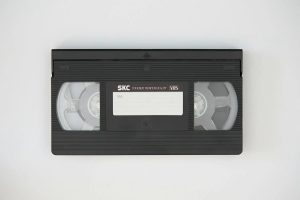
Every year you wait to digitize your photos, tapes, film, and slides, you lose a little more of them, and some of that loss can never be undone.
This slow, ongoing pattern of photos tapes deteriorating over time is exactly why waiting rarely pays off. It is simple chemistry and physics at work on materials that were never built to last forever.
Understanding the analog media degradation timeline for each format you own is the first step toward protecting what matters. If your camcorder tapes already show signs of trouble, how VHS tape damage occurs explains exactly what is happening inside the cassette right now.
Below, we break down how fast each type of analog media actually deteriorates, what the warning signs look like, and why waiting even one more year makes a real difference.
Photos: Fading, Acid Migration, and Adhesive Album Damage
Printed photos seem sturdy, but they are quietly deteriorating from the moment they come out of processing. Dyes in color photos fade under light exposure and even in total darkness through pure chemical breakdown.
This is a clear example of photo tapes deteriorating over time, often without anyone noticing until the damage is severe. Here is what typically happens to printed photos over time:
- Color prints stored in average home conditions can show visible fading within 10 to 25 years, and faster if kept in heat or humidity.
- Acidic paper, mounting boards, and old adhesive photo albums release acids that migrate into the photo itself, causing yellowing and brittleness.
- Magnetic "sticky" photo albums from the 1970s and 1980s are especially damaging, since the adhesive discolors and bonds to the photo surface over time.
- Photos stored in basements, attics, or garages face extra risk from humidity swings, temperature extremes, and pests.
Once acid migration and adhesive damage set in, the process is very hard to reverse, which is exactly why the urgency to digitize old media matters so much for family photo collections and other examples of photo tapes deteriorating over time.
VHS and Camcorder Tapes: Oxide Shedding and the 15 to 25 Year Curve
If you are wondering how fast do VHS tapes degrade, the honest answer is faster than most people expect. VHS and camcorder formats like Video8, Hi8, and MiniDV rely on a thin layer of magnetic oxide coating a plastic tape. That oxide layer is the entire recording, and it does not last forever.
The question of how fast do VHS tapes degrade does not have one universal answer, since storage and playback habits vary. The typical VHS degradation curve looks like this:
- Tapes generally begin showing signal loss and picture quality decline somewhere between 15 and 25 years, depending on storage conditions.
- Oxide shedding causes the magnetic coating to flake off the tape, which permanently erases small sections of picture and sound.
- Heat and humidity speed up chemical breakdown of the tape binder, leading to a sticky, unplayable condition often called sticky shed syndrome.
- Repeated playback on aging VCRs adds mechanical wear, including stretching and creasing, on top of natural chemical decay.
Film Reels: Vinegar Syndrome, Shrinkage, and Color Shift
Home movie film, whether 8mm, Super 8, or 16mm, faces one of the most destructive and irreversible processes in analog media: vinegar syndrome.
This chemical reaction breaks down the acetate base of the film, and once it starts, it cannot be stopped, only slowed with proper cold storage.
For a full breakdown of how this works, vinegar syndrome destroying film and negatives covers the science in detail. Warning signs and progression include the following:
- A distinct vinegar smell coming from the film canister or reel, which is the telltale first sign of the reaction starting.
- Physical shrinkage of the film strip, which eventually makes it impossible to run through a projector or scanner without damage.
- Color shift toward pink, red, or magenta tones as the dyes in the film emulsion break down unevenly.
- Brittleness and warping that can cause the film to crack or snap during handling.
Audio Cassettes: Magnetic Signal Loss and Mechanical Failure
Audio cassettes share the same basic vulnerability as VHS tapes because they use magnetic oxide to store sound. Over time, the magnetic signal weakens on its own, even in tapes that are never played, through a process called print-through and gradual signal degradation. Common failure points include:
- Weakened magnetic signal that results in muffled, distorted, or dropout-filled audio playback.
- Brittle tape and shells that crack or snap, especially in cassettes exposed to temperature swings.
- Binder breakdown similar to VHS, which leads to sticky tape that can jam or damage playback equipment.
- Warping of the cassette shell itself, which throws off tape alignment and playback speed.
Because these tapes often hold irreplaceable voices, interviews, and home recordings, this format deserves the same urgency as the digitize old media approach for home video, and the question of how fast do VHS tapes degrade applies almost equally here.
Slides and Negatives: Fungus, Newton Rings, and Dye Fading
Slides and negatives face their own specific threats beyond simple fading. If you have noticed spotting, cloudiness, or strange rainbow patterns on your slides, 35mm slide deterioration signs walks through exactly what you are seeing and why. Key issues to watch for include:
- Fungus growth, which appears as web-like or spotted patterns and thrives in humid storage conditions.
- Newton rings, which are rainbow-colored patterns caused by uneven contact between glass slide mounts and the film surface.
- Dye fading, which shifts colors unevenly across the image and is especially common in older Kodachrome and Ektachrome slides.
- Emulsion lifting or cracking, which occurs when negatives are stored in poor-quality plastic sleeves that react with the film over time.
A Year-by-Year Quality Loss Snapshot
|
Format
|
Noticeable Decline Begins
|
Severe or Irreversible Damage
|
|
Color photo prints
|
10 to 15 years
|
25+ years
|
|
VHS and camcorder tapes
|
10 to 15 years
|
15 to 25 years
|
|
Film reels (vinegar syndrome)
|
Varies widely
|
As fast as 3 to 5 years once active
|
|
Audio cassettes
|
10 to 20 years
|
20 to 30 years
|
|
35mm slides and negatives
|
10 to 20 years
|
20 to 40 years
|
DVDs are not immune either. Many home-burned discs suffer from disc rot long before anyone expects, which is worth knowing if your collection includes burned DVD backups. DVD disc rot and digitization explain why even "digital" backups on disc are not a permanent solution.
Don't Wait Another Year
The pattern across every format is the same. Photos, tapes, film, and slides all sit on a countdown, and that countdown does not pause while life gets busy.
Every year of delay adds another layer of fading, shrinkage, oxide loss, or chemical breakdown that cannot be reversed later. If you want to understand why timing matters so much across formats, why digitize your tapes now lays out the bigger picture.
This is the core of the urgency digitize old media message: request a free digitization estimate today and get your photos, tapes, film, and slides converted before another year on the analog media degradation timeline passes by.